
How Radar Detects Low-Flying Drones
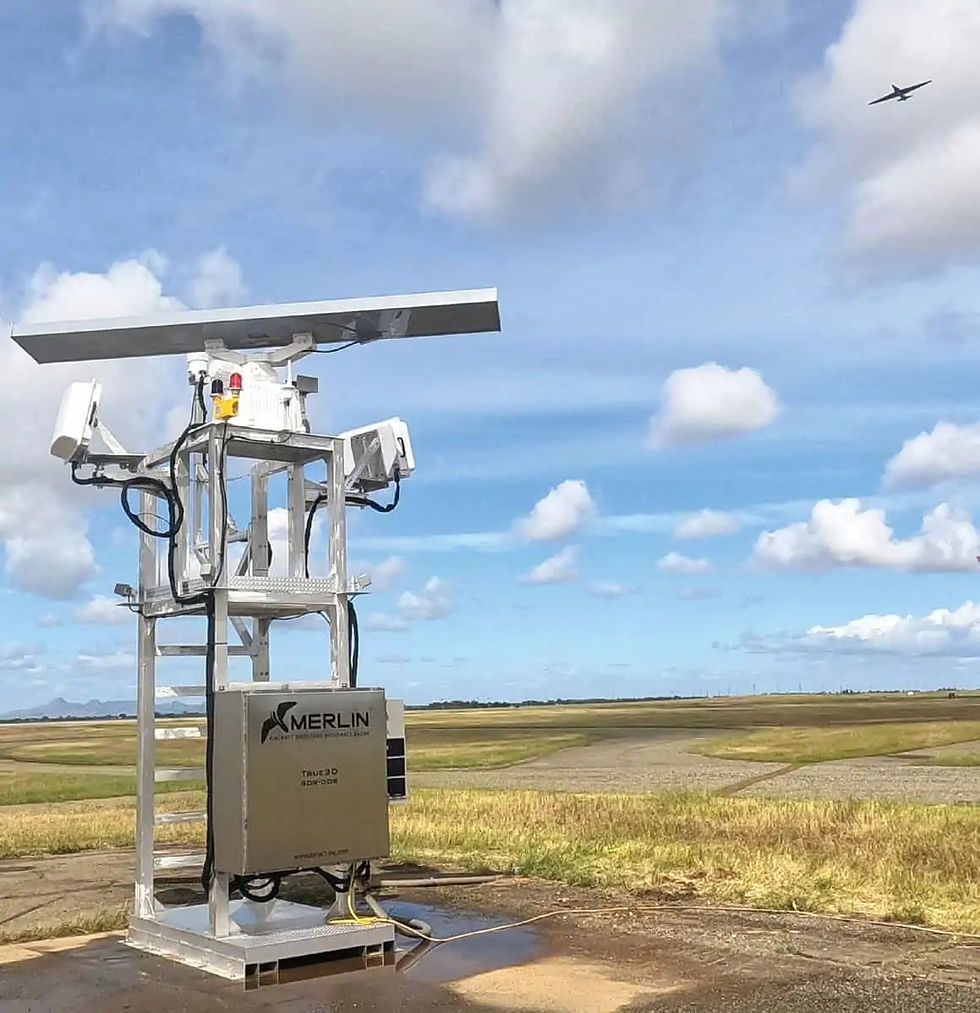
Drone radar systems are specially designed to detect small, low-flying UAVs that are often missed by conventional radar. Using high-resolution technology, they can pick up weak reflections from tiny drones. Radar excels at detecting physical objects but works best with a clear line of sight, as buildings, trees, or the ground can obstruct its view. Its ability to detect drones regardless of communication signals makes radar a crucial element in any drone defense system.
Using Multi-Sensor Drone Scanners
Drone scanners often combine multiple sensors to monitor airspace for potential threats. These integrated systems leverage the strengths of various technologies, particularly RF sensors, to provide more comprehensive and reliable detection.

Drone
Detection
Drone detection systems track and assess UAVs in restricted areas, helping protect privacy, public safety, critical infrastructure, and national security.


What is a Drone Detection?
Definition:
Advanced Drone Detection Systems are designed to identify and track UAVs in restricted areas, determining their type, origin, and potential threat level. These systems are essential for protecting privacy, public safety, critical infrastructure, and national security. Drones are often small, quiet, and difficult to detect with the naked eye or standard cameras, which is why advanced, multi-layered detection technologies are used to ensure comprehensive monitoring and rapid response.
(Source: Zenadrone)
More About Drone Detection
Also Known As
-
Elevating Work Platform (EWP)
-
Mobile Elevating Work Platform (MEWP)
-
Aerial Lift
-
Man Lift / Cherry Picker
Types of Drone Detection Systems
A drone detection system relies on multiple technologies to provide comprehensive security. Since no single method can catch every drone, a layered approach is the most effective way to identify and track unauthorized aircraft.
Radio Frequency (RF) Detectors
-
Most commercial drones communicate with their operators using RF signals.
-
RF sensors scan frequency ranges (typically 70 MHz to 6 GHz) for these transmissions.
-
They can detect the drone pilot link, identify the drone’s location, path, and manufacturer, and even whitelist authorized drones.
Acoustic Sensors
-
Function like highly sensitive “ears” that recognize drones by their propeller sounds.
-
Directional acoustic arrays with machine learning can track drone type fixed-wing or rotary.
-
Helpful for covering gaps when RF or radar detection is blocked.
Radar Systems
-
Radar sensors spot small airborne objects by sending out radio waves and analyzing reflections.
-
Advanced method differentiate drones from birds or debris.
-
Specifically effective for autonomous drones or swarms that bypass RF detection.
Optical & Thermal Cameras
-
PTZ (pan-tilt-zoom) cameras provide visible confirmation once other sensors detect a drone.
-
AI powered tracking helps zoom in on the target and capture witness, including payloads.
-
While visual tracking can be challenging, it’s crucial for real-time monitoring and evidence.


