Background on Video Analytics
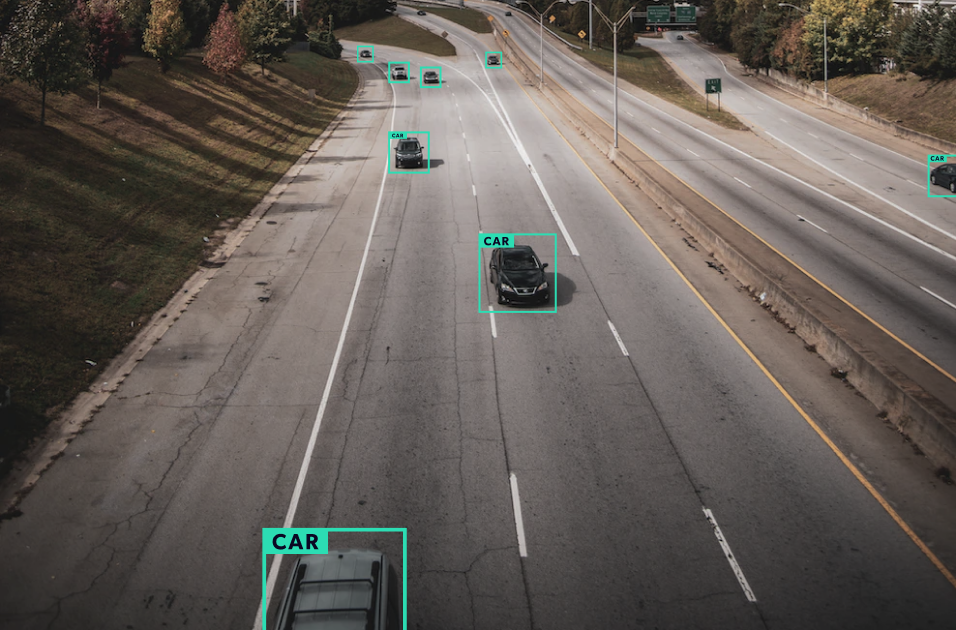
Video analytics is a technology that enables computers to “see” and interpret what’s happening in video footage. Unlike traditional CCTV, where humans must watch hours of recordings, video analytics automatically processes video streams in real time to detect, classify, and track objects or events.
Origins & Evolution
-
Early systems (1990s – early 2000s): Initially, video analytics was very basic, mainly detecting motion in a video frame. These systems had high false alarm rates and were limited in scope.
-
AI and computer vision integration (mid-2000s – 2010s): As machine learning and computer vision techniques matured, analytics could detect specific objects (people, cars) and behaviours (loitering, trespassing).
-
Modern AI-driven analytics (2015 – present): Today, advanced systems use deep learning to understand complex patterns, recognise faces or license plates, track multiple objects simultaneously, and even predict unusual behaviour.
Key Technologies Behind Video Analytics
-
Computer Vision: Teaches computers to interpret visual information, such as identifying objects, faces, or movements.
-
Machine Learning: Allows systems to improve accuracy over time by learning from video data.
-
Deep Learning / Neural Networks: Enables advanced pattern recognition, anomaly detection, and predictive analytics.
-
Integration with IoT and sensors: Enhances capabilities by combining video data with other inputs like temperature, motion sensors, or access control systems.
Benefits Over Traditional Surveillance
-
Reduces the need for constant human monitoring.
-
Detects incidents faster and more accurately.
-
Provides actionable insights beyond just security (traffic analysis, retail analytics, operational efficiency).
-
Scales efficiently across multiple cameras and locations.
Facts About Video Analytics
-
AI-powered: Video analytics uses artificial intelligence (AI), machine learning, and computer vision to automatically analyse live or recorded video.
-
Real-time detection: It can identify events as they happen — such as motion, intrusion, or unusual behaviour — without human monitoring.
-
Highly accurate: Modern analytics can distinguish between people, vehicles, and objects, reducing false alarms.
-
Scalable: It works on one camera or across hundreds of cameras in large security networks.
-
Cost-saving: It reduces the need for manual surveillance and improves response times.
-
Data-driven: It turns video into actionable data, helping businesses improve safety, efficiency, and decision-making.
-
Integrates easily: Can be added to existing CCTV or advanced thermal cameras.

Video Analytics
Video Analytics uses AI to automatically detect, track, and interpret activity in video footage helping identify intrusions, unusual behaviour, and important events with greater accuracy and faster response.
What is Video Analytics ?
Definition:
Video analytics process video in real-time and transform it into intelligent data. They automatically generate descriptions of what is happening in the video (metadata) and are used to detect and track objects which also could be categorized as persons, vehicles, and other objects in the video stream. This information forms the basis on which to perform actions, e.g. to decide if security staff should be notified or if a higher quality recording stream should be used. Video analytics turn simple IP video into business intelligence.
(Source: Senstar)